Title: Where does soil come from?
Description: Learn how to make your own soil by understanding what can and can’t be composted.
Season: Any season
Length of Activity: 10 minutes a day for a year
Age: Any age
Price: Approximately $25
Button: Start the Activity
Where does soil come from?
Have you ever taken a good look at the soil in your garden? What did you see? You may have noticed a few small moving organisms, maybe some eroded rocks and minerals, but inside our soil exists a living, breathing ecosystem of decaying organic material and microscopic living organisms that all work together in slow, constant, interaction.
Without their hard labor, humans and animals would suffer to find and grow healthy food.
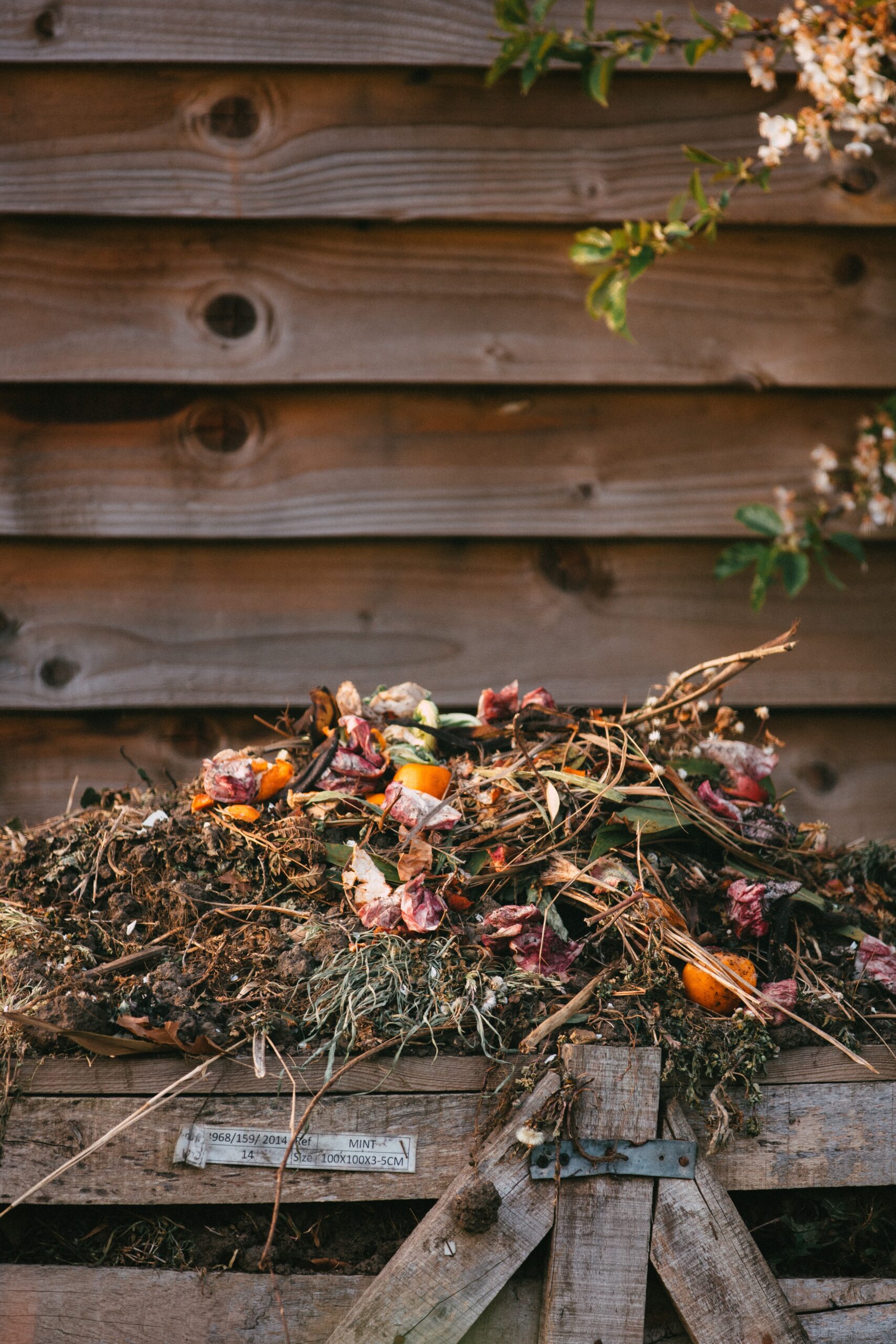
Which is why composting is so important. By learning which items can and can’t be composted, and creating the perfect environment for organic material to break down and interact with the bug colonies within, you can not only steward the soil, you can create your very own top soil rich in the nutrients you need to grow things in your garden.
Supplies and Tools needed:
● 1 Heavy duty garbage can with holes drilled in the sides and bottom
● 1 Coffee can
● Vegetable scraps
● Fruit peelings
● Shredded newspaper, hay or straw
● Coffee grounds
● Tea leaves
● Egg shells
● Any other kitchen waste that is not meat or dairy.
● Some people like to avoid citrus rinds as it changes the acidity of the soil.
Getting started
Step 1: Buy a heavy duty dark colored garbage can with a firmly locking lid.
Step 2: Make a plan to begin collecting all food waste that is NOT in the meat and dairy family, placing it in your coffee can that you either leave on your counter or place under the kitchen sink.
Step 3: When the can on your counter is full, take it out and dump it in the large garbage can with holes adding a bit of newspaper or hay or straw each time so that it doesn’t smell rotten.
Step 4: Once a week, take a big stick or shovel and “turn” your compost, making sure to mix it all up, adding more leaves or hay to your scraps. Over time, it will begin to look like a dark squishy mess but will eventually become soil that you can add to your garden.
Taking it Deeper
Watch your compost bin over the course of the next few months.
How does it change? What does it smell like? What role do you think the worms play in the decomposition process
What else might you be helping with by keeping a compost bin?
Further Reading
Read more about how soil is formed and why we should all be composting. Consider looking for some of these children’s books at your local public library or small bookstore. Here is our personal favorite being read aloud.
Further Watching
Here is a great video that explains why composting is so important.
Leave a Reply
You must be logged in to post a comment.